
Household dust often gets treated as a purely cosmetic nuisance—something to wipe away before company arrives. But that fine gray film settling on your shelves can carry dust-mite debris, pollen, pet dander, mold spores, and other microscopic particles that genuinely affect indoor air quality. How you clean matters nearly as much as how often you do it. A hurried swipe of a dry cloth or an aggressive vacuum pass can send settled dust right back into the air, where it lingers before drifting down again.
What Household Dust Contains
Indoor dust is rarely just one thing. It’s usually a mix of shed skin cells, fabric fibers, tracked-in soil, pollen, pet dander, mold fragments, and dust-mite matter all clumped together. Some of this is harmless to most people; other components can set off allergic reactions or asthma symptoms in those who are sensitive. It’s also worth distinguishing between the visible dust that collects on surfaces and the finer particles that stay suspended in the air much longer before finally settling. A balanced routine—running a vacuum over carpets and upholstery, damp dusting hard surfaces, and keeping reasonable airflow through the home—can meaningfully cut down dust exposure. That said, no single method wipes out every allergen for good.
Dust mites warrant special mention since they thrive in warm, humid spots—mattresses, bedding, carpets, curtains, and upholstered furniture are all favorite habitats. According to the National Institute of Environmental Health Sciences, most people with dust-mite allergies aren’t actually reacting to the mites themselves but to proteins in their waste and body fragments. Cutting down exposure usually takes several measures working together: controlling humidity, washing bedding on a regular schedule, and keeping up consistent surface cleaning, rather than relying on any single fix.
Building a Cleaning Routine That Reduces Dust
A practical approach works top to bottom—shelves, ceiling fans, blinds, and baseboards first, floors last—so any dust that gets knocked loose settles on surfaces you haven’t cleaned yet rather than ones you just finished. On hard surfaces, damp dusting with a microfiber cloth tends to work better than dry wiping, which often just scatters fine particles into the air instead of trapping them. Picture dusting a bookshelf with a slightly damp cloth before vacuuming the floor beneath it—do it in the wrong order, and you’ll undo your work by dropping dust right back onto a carpet you just cleaned.
Soft surfaces—carpets, rugs, upholstered furniture, curtains, fabric pet beds—hold onto dust, pollen, and dander far more stubbornly than hard flooring does. Sticking to each material’s care instructions helps avoid damage, and how often you clean should depend on real factors in your household: pets, carpeting, outdoor exposure, and how sensitive the people living there happen to be.
Cleaning Carpets and Upholstery More Effectively
Routine floor cleaning clears out settled debris before it has a chance to build up. Equipment with high-efficiency filtration can cut down on the fine dust that gets stirred back into the room, though how well a filter performs really comes down to the appliance’s overall design and how well it’s maintained—filtration alone isn’t the whole story. Slow, overlapping passes that cover edges, corners, and the areas under furniture generally beat quick, single sweeps across the middle of a room.
Cleaning inevitably kicks some settled particles back into the air, at least temporarily. In households where someone deals with allergies or asthma, it often helps for that person to steer clear of the room during—and for a bit after—an intensive carpet cleaning, letting someone else handle the job instead. Opening windows afterward is usually a reasonable move, though it’s worth weighing case by case, since outdoor pollen or pollution can sometimes make its way in depending on local conditions.
Controlling Bedroom Allergens at the Source
Washing bedding on a regular basis, following whatever the fabric-care label recommends, helps keep dust mites in check as long as the water temperature suits both the material and the machine. Allergen-resistant encasements for mattresses and pillows are another option some households turn to for extra protection.
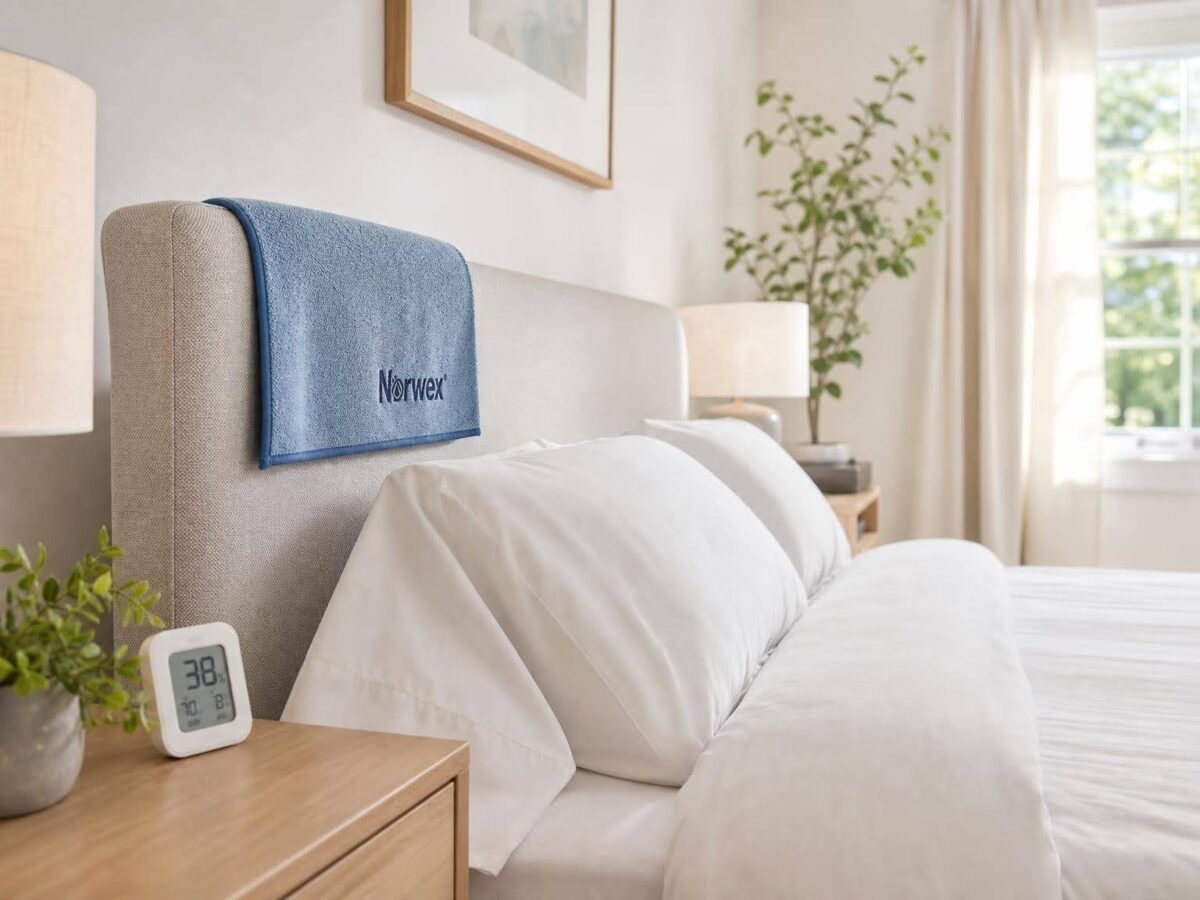
Since dust mites favor humid air, keeping indoor relative humidity control under roughly 50% where possible—whether through ventilation, air conditioning, or a dehumidifier—can help slow their growth. A simple humidity monitor is a far more reliable gauge than trying to judge dampness by feel. Cutting back on unnecessary textiles, stuffed toys, and hard-to-clean décor, and choosing washable storage instead, also reduces the number of places dust can settle in—though this doesn’t mean stripping a room of every soft furnishing.
Pets, Entryways, and Everyday Sources
Pets track in soil and pollen from outside and add their own share of dander to the mix. Grooming them according to veterinary guidance and washing their bedding regularly goes a long way. Doormats at entrances and a no-shoes-indoors habit cut down on what gets tracked in, even if they won’t erase allergens already present in the home. It’s also worth remembering that cooking, combustion appliances, smoking, renovation dust, and poor ventilation all affect indoor air quality on their own terms—no amount of cleaning will fully offset those sources.
Common Cleaning Mistakes to Avoid
- Dry dusting, which scatters particles rather than capturing them
- Neglecting filters and bags, which drags down equipment performance
- Focusing only on visible areas while skipping corners and fabric surfaces
- Overusing fragranced or chemical-heavy products, which can irritate some people
- Ignoring persistent dampness or visible mold instead of addressing the source
- Treating cleaning as a stand-in for medical diagnosis or treatment
A Practical Weekly Checklist
- Damp-dust frequently used hard surfaces
- Clean carpets and rugs based on your household’s needs
- Wash bedding and pet fabrics regularly
- Check and maintain equipment filters
- Inspect corners, baseboards, and under-furniture areas
- Keep an eye on bedroom humidity
- Keep entryways clear of tracked-in dirt
- Time cleaning sessions so sensitive household members can avoid disturbed dust when possible
Key takeaway: The most effective approach blends source control, damp cleaning, soft-surface maintenance, humidity management, and sensible ventilation—no single step carries the load on its own.
When to Seek Additional Help
Persistent musty odors, recurring mold, water damage, ongoing respiratory symptoms, suspected pest infestations, or symptoms that flare up in one particular room point to a problem routine cleaning won’t solve. Both the American Lung Association and the U.S. Environmental Protection Agency recommend talking to a qualified healthcare professional about recurring allergy or asthma symptoms, and bringing in an indoor-environment specialist when mold or ventilation issues are suspected. Environmental steps should support medical guidance, not substitute for it.
A Cleaner Home Without Overcleaning
Consistency beats intensity when it comes to lasting results. Reducing settled dust isn’t the same as eliminating every airborne allergen, and that distinction matters when you’re setting realistic expectations for yourself. Shaping a routine around your home’s materials, the people and pets living there, your climate, and any health concerns matters far more than sticking to a rigid schedule. A simple, repeatable pattern—damp dusting, soft-surface care, humidity management, and a bit of thoughtful attention—usually pays off more over time than the occasional marathon deep-clean.

You May Also Enjoy:
 SHOPPERS LOVE. YOU.: Helping Prioritize Women’s Heath in Canada
 Some of the worst eating habits (and what to do about them)
 Sick Of Hating On Your Home? It’s Time To Do Something About It
 3 Sleep Must-Haves For Dorm Life (or Perimenopause)
 Is your child experiencing asthma flare-ups?
 Mess free holiday food prep and storage